OnlyFans on a Shared Device: A Practical Privacy Setup
OnlyFans does not need to be a problem on a shared device. A shared device is a normal situation: a laptop used by two people, a family tablet, or a work computer that stays in a common room.

The core idea is that privacy on a shared device is not a single setting. It is a sequence of small actions, done in the same order every time.
Paid subscriptions on the platform run from $4.99 to $49.99, with most paid pages sitting in the $4.99 to $15 band and averages landing near $5 to $10. There is no base price below $4.99.
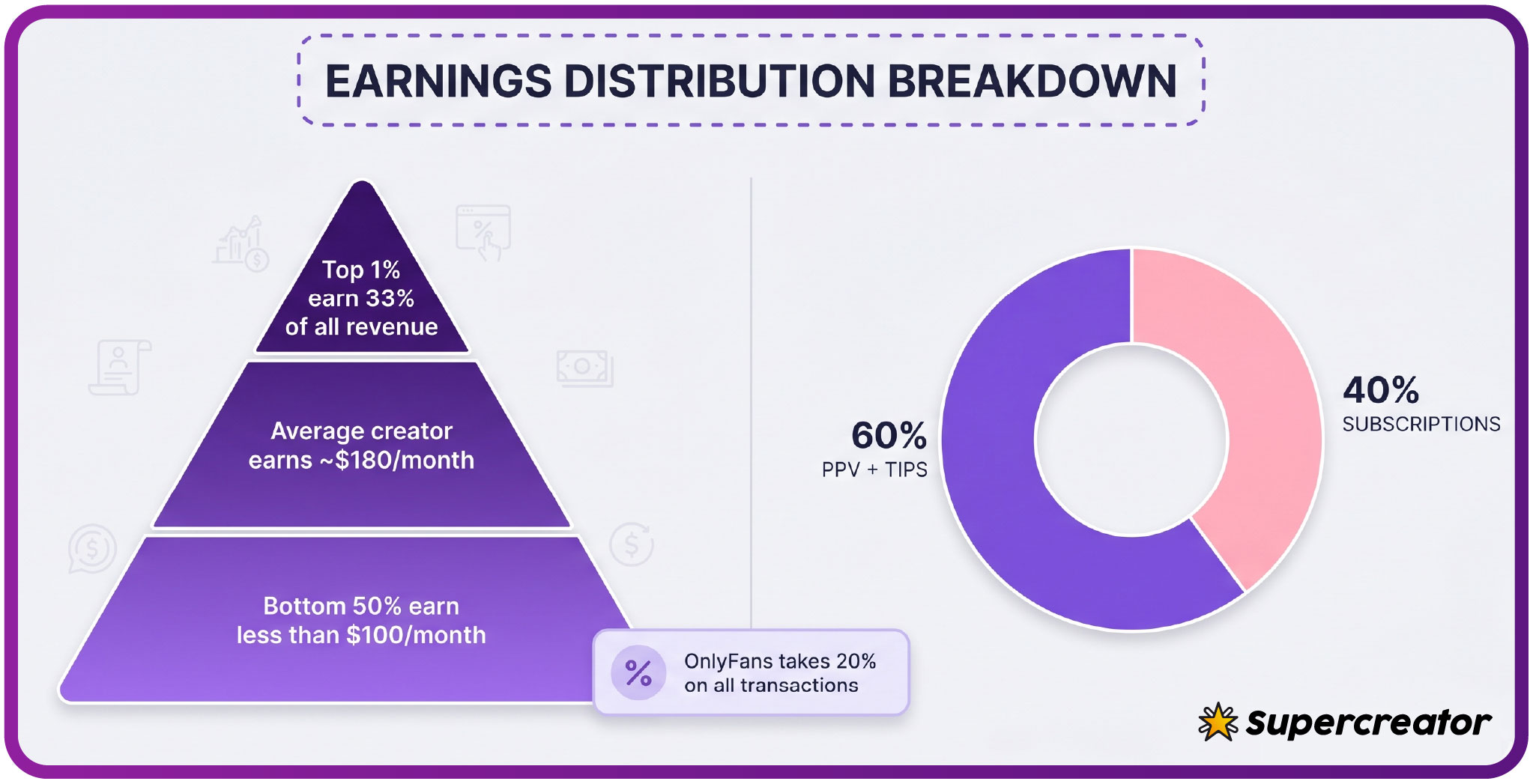
Whatever the price, the platform takes a 20% fee on subscriptions, tips and pay-per-view, and the creator keeps 80%. Those numbers matter here only because they explain why so many pages exist and why ranking sites such as BestOnlyFans are useful.
What a shared device exposes
A signed-in session leaves traces that survive after the tab is closed. Browser history records the address. Autofill may hold an email or a username.
Notifications are the second trace, and they are the loudest. A lock screen that shows a message preview reveals more than a browser tab ever will. A shared device is therefore not one risk but several small ones that need separate attention.
The costs to expect month by month are predictable. Subscription prices do not change without notice, but the totals do, because tips and pay-per-view are optional and easy to forget.
- One paid subscription: $4.99 to $49.99 depending on the creator, most often $4.99 to $15.
- Two or three paid subscriptions: the same range multiplied, which is where averages of $5 to $10 per page per month start to matter.
- Tips and pay-per-view on a free page: no subscription cost at all, but spending continues for as long as the buyer chooses.
- Renewals: charged automatically until cancelled, which is the line most people forget to check.
There is one rule about price changes worth keeping in mind on a shared device, because it affects budgeting rather than privacy. When a creator raises the subscription price, auto-renew stops. Existing access lasts until the current paid period ends, and the new price applies only if the subscriber opts in again.
Before you open anything
The safest habit is to prepare the browser before logging in, not after. Preparation takes under a minute and prevents most accidental evidence. Treat it as a fixed checklist rather than a judgement call.
- Open a private or incognito window so history and cookies are not written to the shared profile.
- Check whether another person is still signed in first, and sign that account out if it is not yours.
- Confirm that autofill is not holding an email address or password for the site.
- Turn off message previews on the device before the session starts, not during it.
- Decide in advance whether the session will use a saved card, and if not, remove it before starting.
- Close other tabs that share the same browser profile, so nothing restores the session later.
Two of those steps are commonly skipped. Autofill is easy to forget because it works silently. Notification previews are easy to forget because they only appear when the screen is locked.
Practical tip: never rely on private browsing alone. It clears local history and cookies when the window closes, but it does not hide notifications, and it does not remove a card that the operating system has already stored.
Notification control
Notifications are the most visible part of a shared device, because they arrive when nobody is looking at the screen. The goal is simple: no message text should appear on a lock screen. The setting that matters is previews, not the notification on or off switch.
Most devices allow notifications to arrive silently while hiding the content. That combination is usually the right one on a shared machine, because it keeps delivery working without exposing anything to whoever picks up the device.
- Turn off message previews for the browser or app on the lock screen.
- Set notifications to silent, so a banner does not appear while someone else is using the device.
- Check the device-wide notification settings, not only the per-app ones.
- Disable email notifications, which often duplicate what the site already sends.
- Review the list monthly, because updates sometimes restore default preview settings.
A single missed setting is enough to undo the rest of the routine. The lock screen is the one place where a private account becomes public in a second, so it deserves a check before every session.
Payment data on a shared device
Card details are stored in more places than most people expect. Each location carries a different level of exposure, and the highest-risk location is usually the one that is least considered: the operating system itself.
| Where card details may be stored | Risk level on a shared device |
|---|---|
| Operating system or browser autofill | High, because any user of the device can complete a purchase form |
| Password manager vault | Medium, provided the vault itself is locked and the device is not left open |
| Site-side saved payment method | Medium, since access requires a login but the card stays attached to the account |
| Typed manually each time | Low, as long as autofill does not offer to save the number afterwards |
The 20% platform fee applies to every payment, so a purchase is never the cheapest way to test a page. That is a reason to keep card storage minimal on a shared device, not just a privacy reason. For a starting point, are some onlyfans accounts free collects free pages.
Ending a session properly
Signing out is the step that people most often skip, because closing the tab feels like enough. It is not. A closed tab can be restored, and a restored tab can reopen a signed-in session.
The routine below takes a few seconds and removes the traces that a shared device keeps. Clear data in this order, because later steps depend on earlier ones.
| What to clear | Why it matters |
|---|---|
| Sign out of the account | Ends the session on the server, not only in the tab |
| Close the private window | Clears cookies and local history for that session |
| Clear downloads and recent files | Removes any file that was saved during the session |
| Check autofill entries | Removes a saved email or password offered on the next visit |
| Check notification settings | Confirms previews are still hidden after any update |
If a card was saved in the browser, remove it in the same pass. If it was saved on the site, remove it from the account settings rather than from the browser, because the two stores are separate.
Login alerts as a safety net
Login notifications turn a passive routine into an active check. The platform sends a notice when the account is accessed from a new device or location. On a shared machine, that notice is often the first sign that someone else has used the account.
If an alert arrives that does not match your own session, change the password first, then review the active sessions and end any that are unfamiliar. After that, remove saved payment methods until the situation is clear.
The alert itself is not proof of a problem. Shared devices and changing networks produce them routinely. What matters is whether the alert lines up with a session you actually started.
Free pages and paid pages both produce these notices, so the safety net works the same way regardless of price. Many readers find pages through lists of free accounts, and a common question is are some onlyfans accounts free — the answer being yes, with earnings coming from tips and pay-per-view instead of a subscription.
- Ignoring an alert because it looks familiar, when the device or location does not match.
- Reusing the same password across sites, so one leak exposes several accounts.
- Leaving the account signed in overnight on a device others can reach.
- Assuming a private window hides everything, including the lock screen.
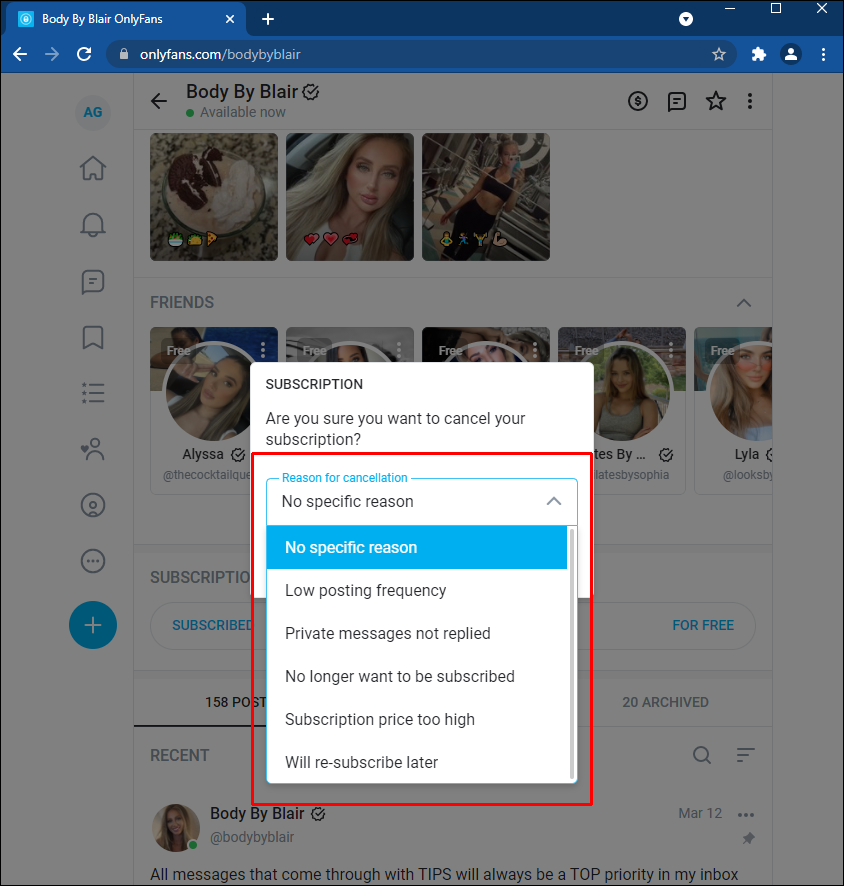
- Cancelling a subscription without checking the renewal date, which can leave access running until the paid period ends.
When to use a separate profile
A routine covers most shared-device situations, but not all of them. When the device is used by several people and none of them manages settings, a separate browser profile or a dedicated device account removes the problem instead of managing it.
A separate profile keeps its own history, cookies, autofill and saved cards, so nothing carries over to the other user. That is a stronger fix than any checklist, because it changes where the data lives rather than how quickly it is deleted.
- The device is shared with someone who also uses the same browser profile daily.
- Saved cards are needed regularly, which makes autofill removal impractical.
- Notifications must stay on for other accounts, so silent settings are not an option.
- More than two people use the machine, making manual clearing unreliable.
- The device is used for work, where a separate profile is required by policy anyway.
A separate profile also simplifies the login-alert habit, because every alert for that profile is tied to one account and one context. Ranking sites such as BestOnlyFans exist because the platform has no directory, and the same principle applies here: organisation is what makes a private setup workable.
None of this requires special software. A browser profile, a private window and a notification setting are enough to make a shared device safe for a private account. BestOnlyFans refreshes its rankings every month.
FAQ
Does private browsing hide everything on a shared device?
No. It clears local history and cookies, but notifications and any saved card in the operating system remain visible to other users.
Is there a subscription price below $4.99?
No base price sits below $4.99. Only a promotional first month can dip under it, and the standard rate applies after that period.
What happens when a creator raises the price?
Auto-renew stops, and existing access lasts until the current paid period ends. The new price applies only if the subscriber opts in again.
How much of each payment reaches the creator?
The platform takes a 20% fee on subscriptions, tips and pay-per-view, and the creator keeps the remaining 80%.